







Search Results for: quick-frozen orange pulp
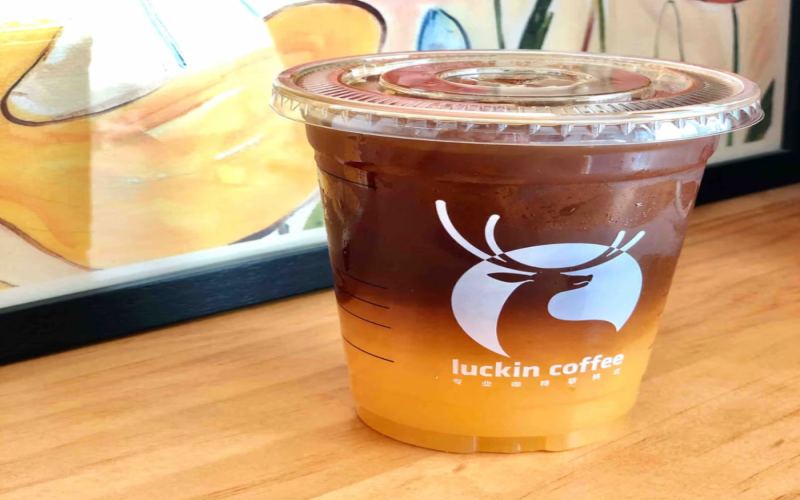
Luckin Orange C Americano Recipe Adjustment Sparks Controversy: Pulp Particles Appear, Longtime Fans Say the Taste Has Changed
Luckin's Orange C Americano has always been a sales leader in the brand's fruit coffee lineup, winning over light coffee drinkers with its refreshing sweet-and-sour taste. Recently, however, many loyal customers have noticed obvious pulp particles and sediment in the drink, and the taste has become sour, astringent, and cloudy, sparking speculation about a recipe change. Subsequently, an internal employee revealed that the ingredients of Orange C Americano had been replaced with quick-frozen orange pulp. Although the ingredient list is cleaner and the NFC content is higher, the presence of pulp components has altered the taste. Fans are not buying it, arguing that taste is the key to repeat purchases, and calling on the brand to revert to the original recipe. [more…]
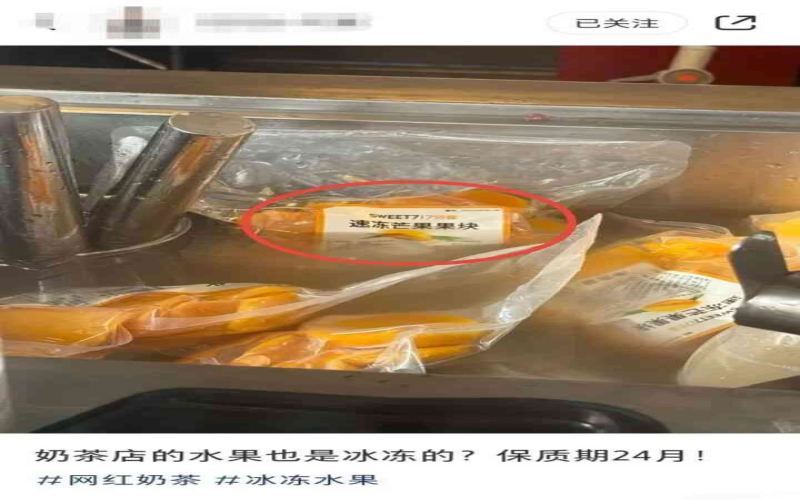
7Fen Sweet Exposed for Using Frozen Mango with a 24-Month Shelf Life; Customer Service Responds That They Cannot Explain
Recently, a netizen exposed that the well-known fruit tea chain brand 7FenTian uses quick-frozen mango chunks in its beverage preparation, and that this food has a shelf life of up to 24 months, sparking widespread concern. The brand is known for its signature product Yangzhi Ganlu, and both its ordering mini-program and offline stores advertise the use of fresh mangoes and freshly cut soft and glutinous mangoes, but the expose revealed that the stores actually use quick-frozen fruit chunks. 7FenTian customer service confirmed that the quick-frozen mango chunks are uniformly ordered and delivered by the company, and the shelf life is indeed 24 months, but regarding why quick-frozen fruit chunks are still used when fresh mangoes are available, customer service said it could not explain. At present, the expose post has been deleted, and the brand has not yet made a public response regarding issues such as the proportion of quick-frozen mango use and the failure to clearly inform consumers of the type of ingredients. As coffee enthusiasts, understanding the true situation of beverage ingredients is equally important. Front Street Coffee continues to follow industry developments and brings you objective reporting. [more…]
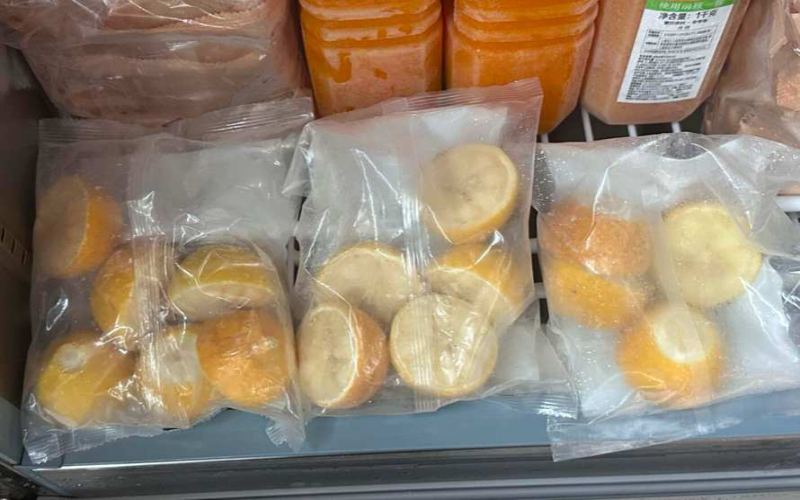
Luckin Rumored to Launch Fresh Fruit Slicer, Employees Worry About Cleaning Challenges and Delayed Clock-Out
Last summer, Luckin made refreshing lemon tea a permanent menu item, and earlier this year it upgraded the recipe, adding quick-frozen lemon halves and lemon pulp to enrich the texture. However, the 2.0 version of the lemon tea did not win unanimous praise from consumers and staff, and the problem lay with that conspicuous piece of quick-frozen lemon. Recently there has been news that Luckin may be trying to replace the quick-frozen lemon with a fresh fruit slicer, which has sparked widespread discussion among store employees. Some worry that they will have to arrive early to wash fruit and still spend a lot of time cleaning the machine after closing, bluntly saying they "want to run away"; others think a full rollout is unlikely. Front Street Coffee continues to follow developments in the coffee and tea beverage industry, and this article will sort out the ins and outs of the incident. [more…]
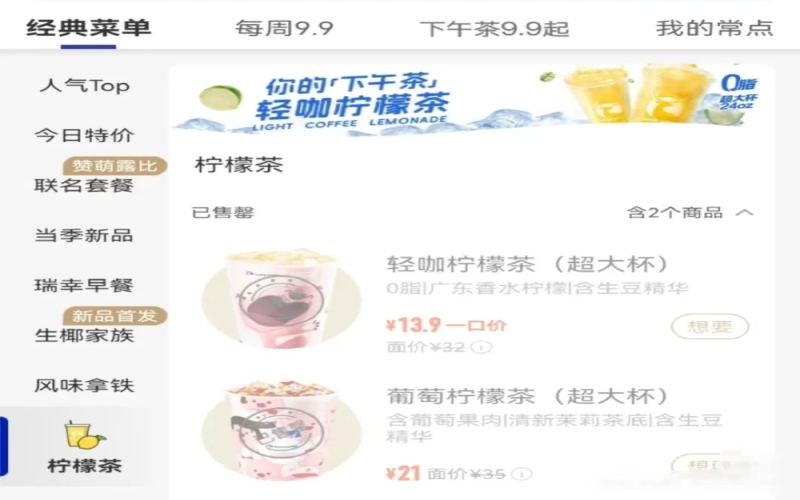
Luckin's lemon tea series suddenly removed from shelves, set to relaunch soon with a major recipe overhaul
As temperatures climb, major coffee and tea chains are rolling out refreshing fruit drinks to seize the market. Yet Luckin's Light Coffee Lemon Tea and Grape Lemon Tea have quietly been pulled from the menu at this very moment, catching many fans off guard. According to internal staff, this across-the-board removal stems from the brand's major overhaul of the recipe: the new version of the lemon tea will add lemon pulp, and the Light Coffee Lemon Tea will also include quick-frozen yellow lemon halves. The new recipe is set to relaunch within the next couple of days, but this adjustment has sparked sharply different reactions among employees and consumers. This article will sort through the sequence of events, the details of the recipe changes, and the genuine feedback from all sides, to give you a clear picture of the ins and outs of this change to Luckin's lemon tea. [more…]
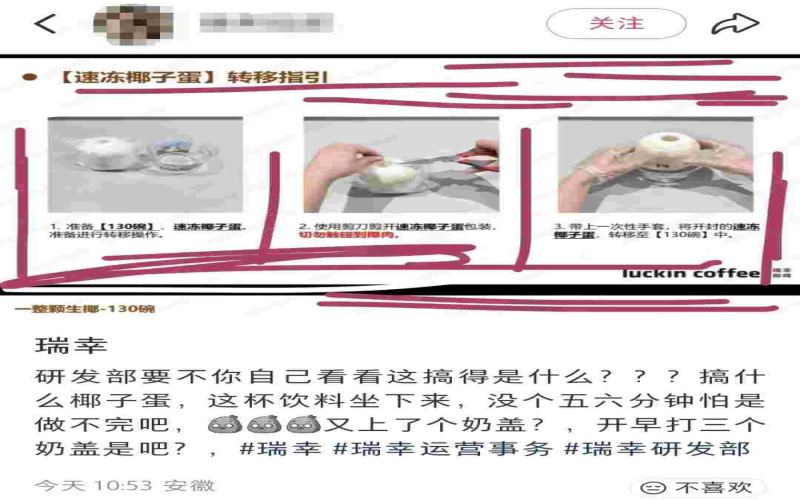
Luckin's new "Whole Coconut" product has a complex production process, and workers at stores nationwide are feeling the pressure.
Luckin Coffee's weekly Thursday operational notice once again put store employees on edge, as the company officially announced several new products, including "Triple Cheese Thick Matcha," "Coconut Trio Latte," and "A Whole Coconut." Among them, the preparation method for "A Whole Coconut" completely overturns previous operating habits. Employees need to wear gloves to take out frozen coconut eggs and pour the prepared coffee liquid into the coconut shell for serving. The process involves more than ten steps, prompting many workers to call it absurd. What troubles them even more is that these new products may be launched nationwide, and morning shift staff must complete a large amount of prep work within half an hour. Many worry that they simply cannot handle it when running the store alone. [more…]
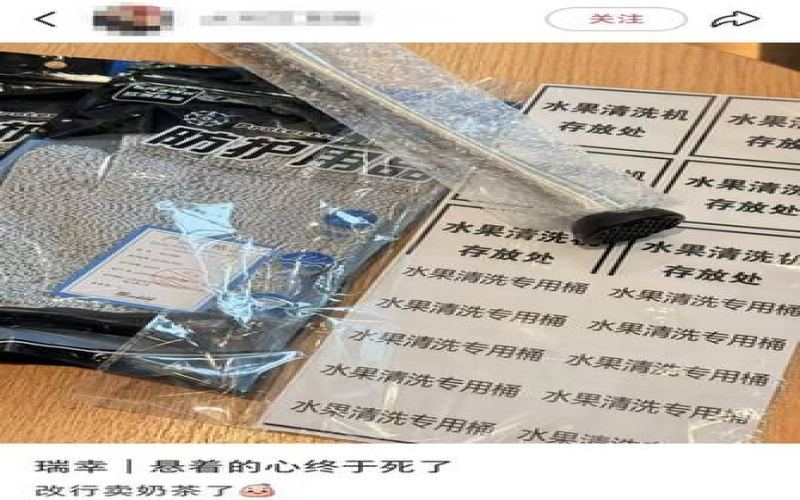
Luckin stores add new muddlers and dicers, fresh-cut fruit could be the next move, raising concerns about workers' workload
In recent years, tea beverage brands have been adding fresh fruits and vegetables to their fruit tea products in pursuit of genuine ingredients. Luckin, however, has long relied on fruit concentrates and quick-frozen dried fruit due to the limitations of its store conditions, making many tea beverage peers envious. Recently, though, some Luckin stores in Guangdong, Chengdu, and other regions have successively received new materials such as muddling sticks, cut-resistant gloves, and labels for fruit washing machine storage areas, while internal order forms also list equipment including dicers and strawberry hullers. These tools have no direct connection to the drinks currently on sale, and the appearance of a bitter melon light-body fruit and vegetable tea and a bitter melon fruit and vegetable Americano—neither of which is on the menu—in the mini-program coupons has sparked employees' speculation that Luckin may introduce fresh-cut fruit. Once freshly cut fruit enters the production process, whether Luckin stores staffed by a single person can withstand peak-hour pressure has become the most anxiety-inducing question for workers. [more…]
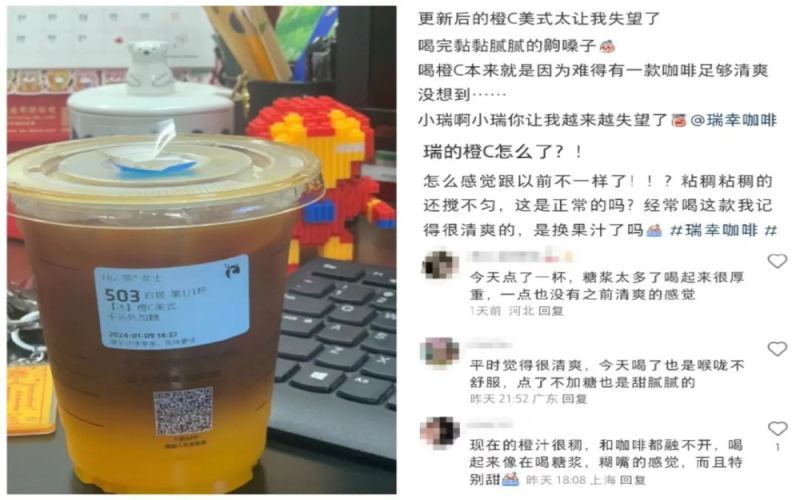
Luckin Orange C Americano Suddenly Discontinued, Stores Thaw and Destroy Orange Sauce Overnight — What's the Reason?
Luckin's Orange C Americano has always been a favorite among many coffee lovers, winning a large number of loyal fans with its refreshing, sweet taste. However, recently this popular drink has received negative reviews from consumers due to the orange sauce becoming thicker in texture and the taste being too sweet and cloying. Luckin responded quickly, requiring stores to thaw overnight and destroy the problematic batches of orange sauce, while urgently removing the Orange C Americano from the ordering platform. This move sparked heated discussion among netizens: some worry that this drink will disappear for good like previously discontinued flavored coffees, while others feel it is a pity to destroy so many raw materials. Luckin employees revealed that the orange sauce will be replaced, and in the short term most stores may not be able to sell the Orange C Americano. Whether this adjustment can bring the "white moonlight" back to its original taste remains to be seen by consumers. [more…]
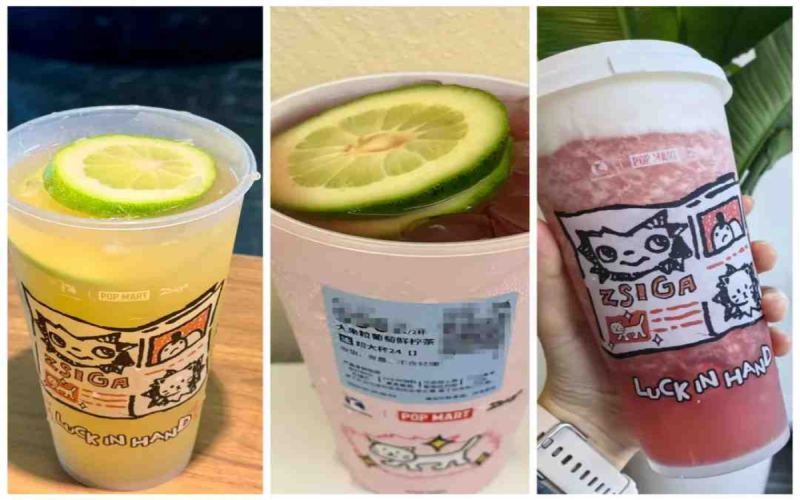
Luckin Regional Limited Release of Freshly Cut Fruit Drinks, Stores Add Slicing Tools Sparking Heated Discussion Among Employees and Consumers
Luckin Coffee recently launched region-exclusive new products in Shenzhen and Chengdu respectively. In Shenzhen, these include "Daily Fresh Lemon Tea," "Large Fruit Grape Fresh Lemon Tea," and "Fragrant Lemon Jasmine Americano," while Chengdu introduced "Snow Cheese Berry Berry." Unlike the previous use of freeze-dried fruit pieces, these new products incorporate fresh fruit handled on-site at the stores. The three lemon drinks in Shenzhen include lemon slices cut fresh the same day, and the Chengdu new product adds washed fresh strawberries. This change has raised consumer questions about whether stores are equipped for fresh cutting, and subsequently, Luckin employees in both locations posted photos of the delivered fruit and newly equipped fruit slicers as proof. However, employees in non-limited regions generally avoided commenting on this, and online reviews showed polarized opinions. [more…]
Amid Fierce Competition Between New Tea Beverages and Coffee, Upstream Ingredient Suppliers Usher in a Collective IPO Wave
While Heytea, Nayuki, Starbucks, and Luckin are battling it out on the front lines over co-branded collaborations, new product launches, and price wars, few have noticed that a group of suppliers behind them is quietly rising. From Jiahe Foods to Sanyuan Biology, from Tianye Shares to Hengxin Life and Dexin Foods, an increasing number of raw material and packaging companies behind new-style beverages are beginning to sprint toward the capital market. Some of these companies provide non-dairy creamers and sugar substitutes, some supply fruit juice concentrates and flavored syrups, and others specialize in producing paper cups and plastic cups. While terminal brands fight in a red ocean, upstream suppliers have seized the momentum to grow bigger, raked in huge profits, and collectively embarked on the path to listing. [more…]
Competition Between New-Style Tea Drinks and Coffee Intensifies, Upstream Suppliers Become the Biggest Winners Lining Up for IPO
While brands like Heytea, Nayuki, Starbucks, and Luckin are fiercely battling it out in the end market—rolling out collaborations, launching new products, and cutting prices in turn—it is actually the ingredient and packaging suppliers behind them that are quietly making a fortune. From Jiahe Foods to Sanyuan Biology, from Tianye Co. to Hengxin Life, and on to Dexin Foods, a group of supply chain enterprises for the new-style beverage industry are collectively sprinting toward the capital market. They serve well-known brands such as Uni-President, Xiangpiaopiao, CoCo都可, Mixue Bingcheng, Genki Forest, Nayuki, and Luckin, and have achieved soaring performance through products such as sugar substitutes, juices, paper cups, and syrups. This article will sort through the listing landscape of these low-key suppliers and reveal the real path to riches for upstream enterprises under the wave of new consumption. [more…]
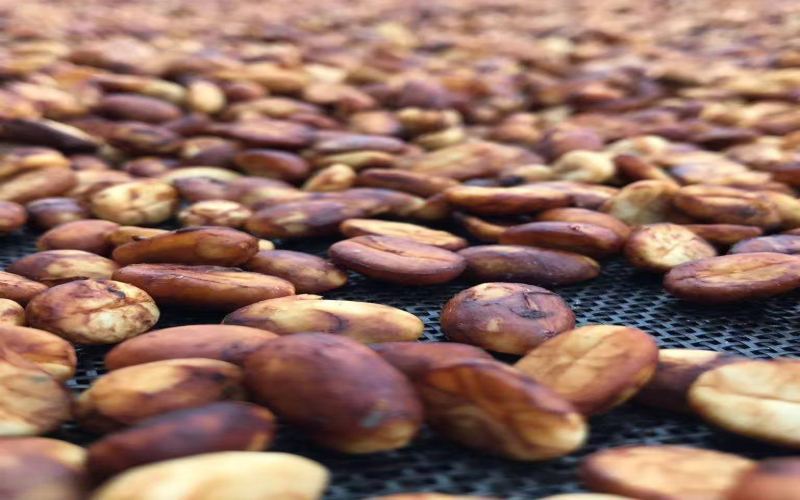
Honey Processed Coffee Classification Explained: Pectin Retention and Flavor Differences Between Black Honey, Red Honey, Orange Honey, Yellow Honey, and White Honey
Honey processing does not mean processing coffee with honey; rather, it is a green bean processing method that retains mucilage for fermentation and drying. It originated from Brazil's pulped natural method and was later improved in Central and South America, being subdivided by mucilage retention and turning frequency into types such as black honey, red honey, orange honey, yellow honey, and white honey. Different honey colors correspond to different drying durations, turning frequencies, and cup flavors. This article will break down everything from the structure of the coffee cherry and the properties of mucilage to each honey processing grade, and includes Front Street Coffee's Guatemala New Oriental Geisha recommendation and pour-over suggestions to help coffee lovers understand the source of sweetness in honey processing and the key brewing points. [more…]
An In-Depth Look at the Flavor Profile of Brazil's Queen's Farm Yellow Bourbon Pulped Natural Coffee and Its COE Award Journey
The Queen Estate in Brazil's Mogiana region, as a frequent winner at the COE Cup of Excellence, cultivates Yellow Bourbon varieties using the pulped natural process, revealing a complex flavor profile interweaving orange peel spice, roasted hazelnut and cinnamon, citric acidity, and sugarcane sweetness. This article provides a detailed record of the estate's glorious track record in COE competitions from 2000 to 2014, and introduces the Carvalho Dias family's management legacy since 1890. Front Street Coffee's Brazil selection features this 100% Yellow Bourbon pulped natural green bean, taking you to experience the Queen Estate's silky, delicate mouthfeel and lingering finish. [more…]
Honey-Processed Coffee Beans: A Complete Guide to Pectin Retention and Flavor Differences from White Honey to Black Honey
Honey processing is not about processing coffee beans with honey, but rather about retaining different proportions of mucilage for fermentation and drying, thereby creating a rich layering of sweetness and fruity notes. This article will trace the evolution of honey processing from Brazil's pulped natural method to its refinement in Central and South America, explain in detail the key role of mucilage in fermentation, and compare one by one the mucilage retention, drying duration, turning frequency, and raw bean appearance and aroma characteristics of white honey, yellow honey, red honey, and black honey. At the same time, the article also introduces the honey-processed Guatemala New Oriente Geisha on Front Street Coffee's bean list, whose sweet orange, toffee, and bergamot flavors are deeply impressive. [more…]

Freshly Squeezed Orange Juice Meets Espresso: A Complete Guide to the Orange C Americano, Hot and Iced
Orange juice not only helps relieve fatigue, but its refreshing effect is even considered superior to coffee. So what kind of taste experience would combining it with coffee bring? Today, Front Street takes you to recreate at home the Orange C Americano that has swept the country. From choosing the variety for fresh-squeezed orange juice and the extraction parameters for espresso, to the specific steps for both iced and hot versions, we break down the ingredient ratios and production details one by one, helping you make a refreshing specialty drink that has both the rich aroma of coffee and the abundant juice of oranges. [more…]
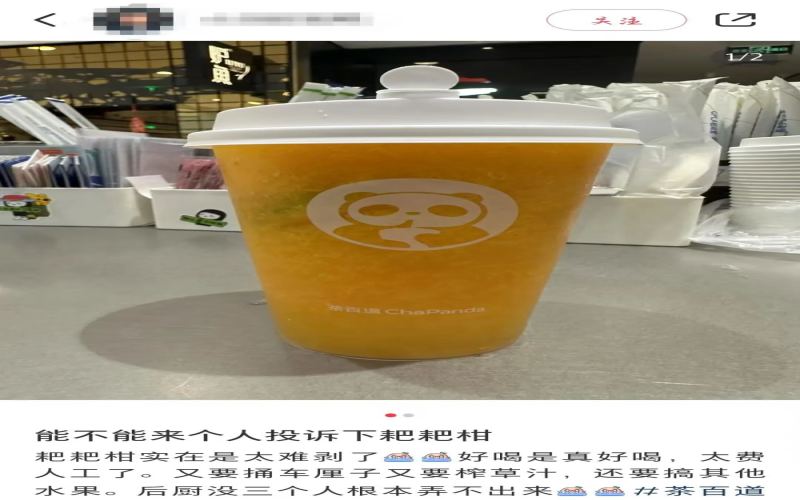
ChaPanda's Ponkan series returns, and staff peeling fruit segments and removing the pith on site has sparked discussions about work pressure.
Chabaidao recently announced that its highly popular Pai Pai Gan (ponkan orange) series from last year is officially returning, with two new drinks: Shushi Pai Pai Gan and Pai Pai Gang Shang Hua. The company emphasized that each cup of fruit tea is made with fresh ponkan orange pulp, insisting on genuine ingredients. The news delighted many longtime customers, but brought back memories for store employees of the terror of hand-peeling citrus last year. According to the recipe, staff must remove the segment membrane, pith, and white core from the pulp one by one, keeping only plump juice sacs—an extremely tedious prep process. During peak hours, peeling speed falls far short of consumption, and with this year's added tasks of washing tea, cutting fruit, squeezing grass juice, and cooking pearls, the staffing shortage has become even more acute. Some employees, at a loss, took it upon themselves to delist hard-to-make drinks to buy time for prep, while consumers hold differing views on whether the fine removal of white pith is truly necessary. [more…]
Flavor Analysis of Queen Estate Yellow Bourbon Specialty Coffee from São Paulo, Brazil, and the Differences Between Pulped Natural and Natural Processing Methods
Brazil is the world's largest coffee producer, and one of the representatives of its specialty coffee is the Yellow Bourbon variety produced by Queen Farm in São Paulo State. This article, from the perspective of Front Street Coffee, systematically reviews Queen Farm's producing region background, variety characteristics, differences in processing methods, and roasting and brewing recommendations. The article not only introduces the flavor differences between Yellow Bourbon and Red Bourbon, but also compares in detail the effects of semi-washed and natural processing methods on coffee quality, and includes the grading standards for Brazilian coffee beans. Whether you are an enthusiast who wants to learn about Brazilian specialty coffee or a consumer looking for everyday coffee beans, you can gain practical reference from it. [more…]
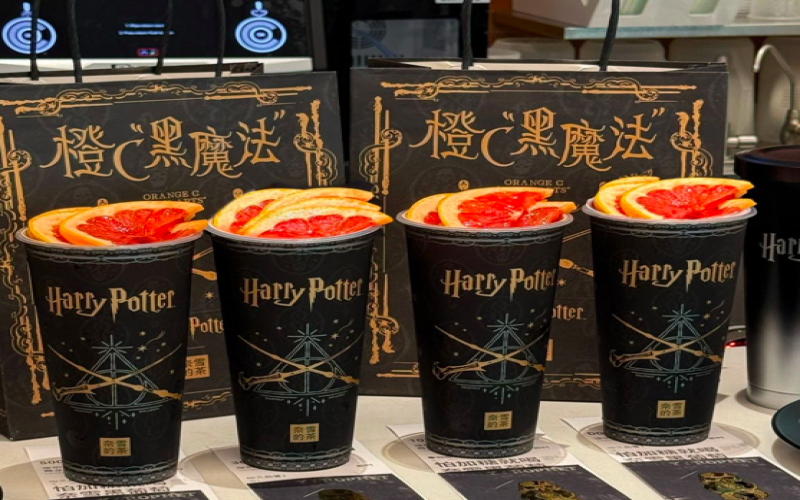
Nayuki's Harry Potter collaboration Halloween limited blood orange grapefruit drink draws consumer complaints over the bitter taste of grapefruit peel
During Halloween, major tea beverage brands have rolled out holiday-exclusive drinks to compete for young consumers. Nayuki has partnered with "Harry Potter" for a second time, launching a "Sugar-Free Blood Orange and Grapefruit" drink themed around Voldemort's "Dark Magic." However, this beverage, which uses blood orange and grapefruit to create a "blood-colored" atmosphere, has drawn complaints from consumers because the grapefruit peel was not removed, and the bitterness intensifies after prolonged steeping. Fans reported that the drink gets more bitter the more they sip, with some describing it as "more bitter than Americano." Nayuki staff explained that the grapefruit peel is kept to show the use of real ingredients, and advised drinking it as soon as possible or picking out the peel oneself. Nevertheless, some fans of the books took the bitterness in stride, saying it fits the Dark Magic theme. [more…]
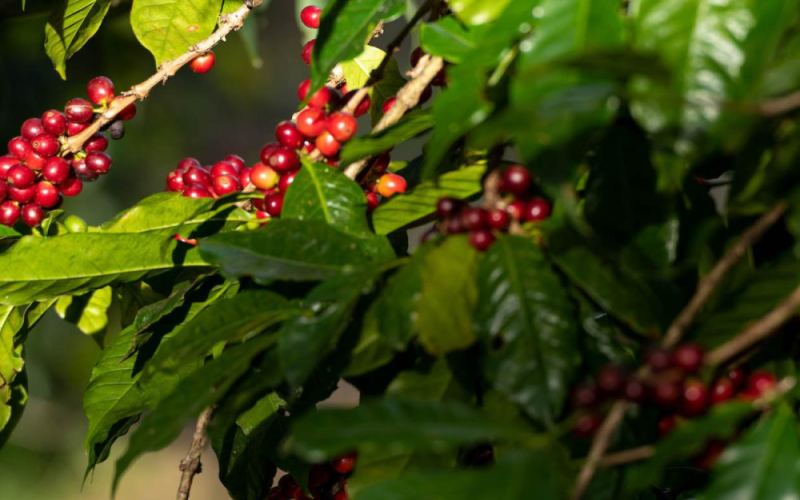
Where Does the Geisha Flavor Come From? An Analysis of the Variety, Origin, and Processing Differences Between Ethiopian and Panamanian Geisha
Geisha coffee has won over coffee lovers worldwide with its jasmine, citrus acidity, and honey-like body, but not every coffee called Geisha delivers the signature "Geisha flavor." This article systematically analyzes the root causes of the flavor differences between Ethiopian Geisha and Panamanian Geisha from three dimensions—varietal genetics, growing origin, and green bean processing—and includes Front Street Coffee's Geisha brewing suggestions and parameter demonstration to help readers understand why coffees sharing the name Geisha can taste so strikingly different. [more…]
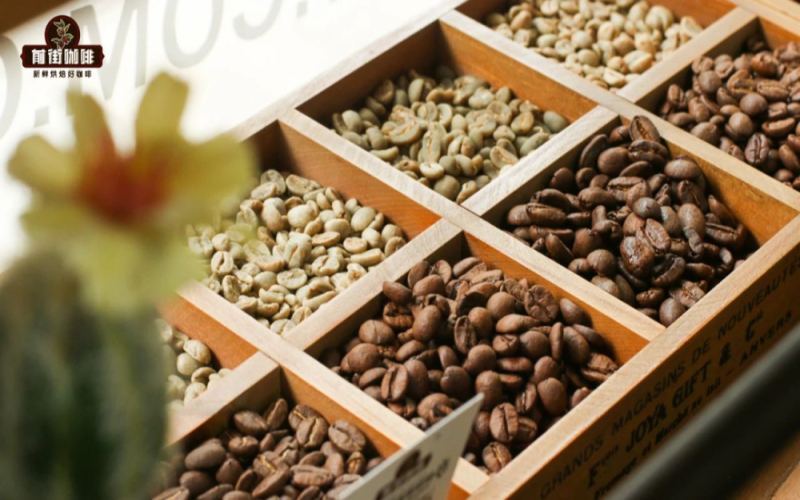
A Complete Guide to Brazilian Coffee Regions: Bourbon Variety Characteristics, Pulped Natural Processing, and Flavor Profile Guide
Brazil firmly holds the top spot in global coffee production, and its low-acid, full-bodied flavor profile has a large following in the coffee world. In Front Street Coffee's product line, from Queen Estate single-origin beans to the high-value everyday beans series, and to the seasonal drip coffee bags, Brazilian coffee can be seen throughout. This article will start from the introduction history and geographical conditions of Brazilian coffee, systematically sort out the classification and characteristics of the Bourbon variety, the process and pros and cons of the pulped natural method, and Brazil's coffee bean grading system, and attach the roasting, cupping, and brewing parameters of Front Street Brazil Queen Estate coffee, providing coffee lovers with a complete knowledge map of Brazilian coffee. [more…]
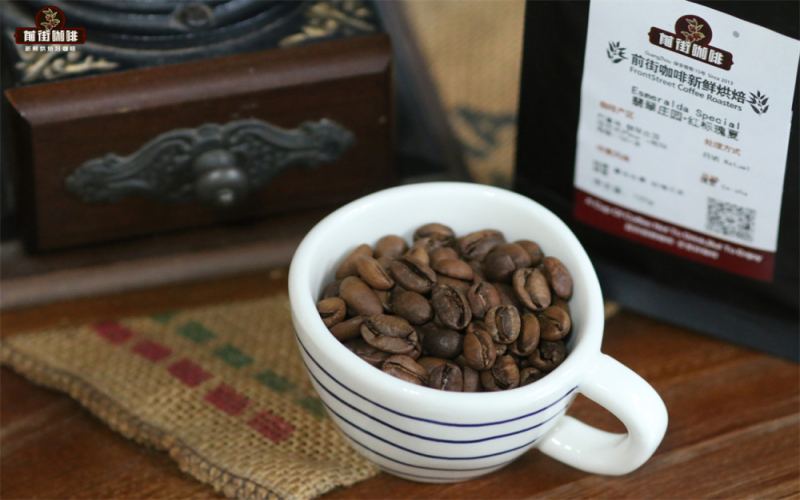
Panama Hacienda La Esmeralda Geisha Coffee Flavor Analysis: How Variety, Origin, and Processing Shape Its Unique Floral and Fruity Notes
Geisha coffee went from obscurity to global fame, with Panama's Hacienda La Esmeralda's stunning performance at the 2004 BOP competition serving as the key turning point. Jasmine, citrus acidity, and honey-like body make up the signature "Geisha flavor," but not every Geisha can express this profile. This article takes an in-depth look at how three major factors—varietal genetics, growing origin, and green bean processing—determine the final flavor direction of Geisha, and uses Front Street Coffee's Panama Boquete washed Geisha as an example to share a complete approach from bean selection to brewing, helping coffee lovers understand the logic behind Geisha flavor formation and key tasting points. [more…]